
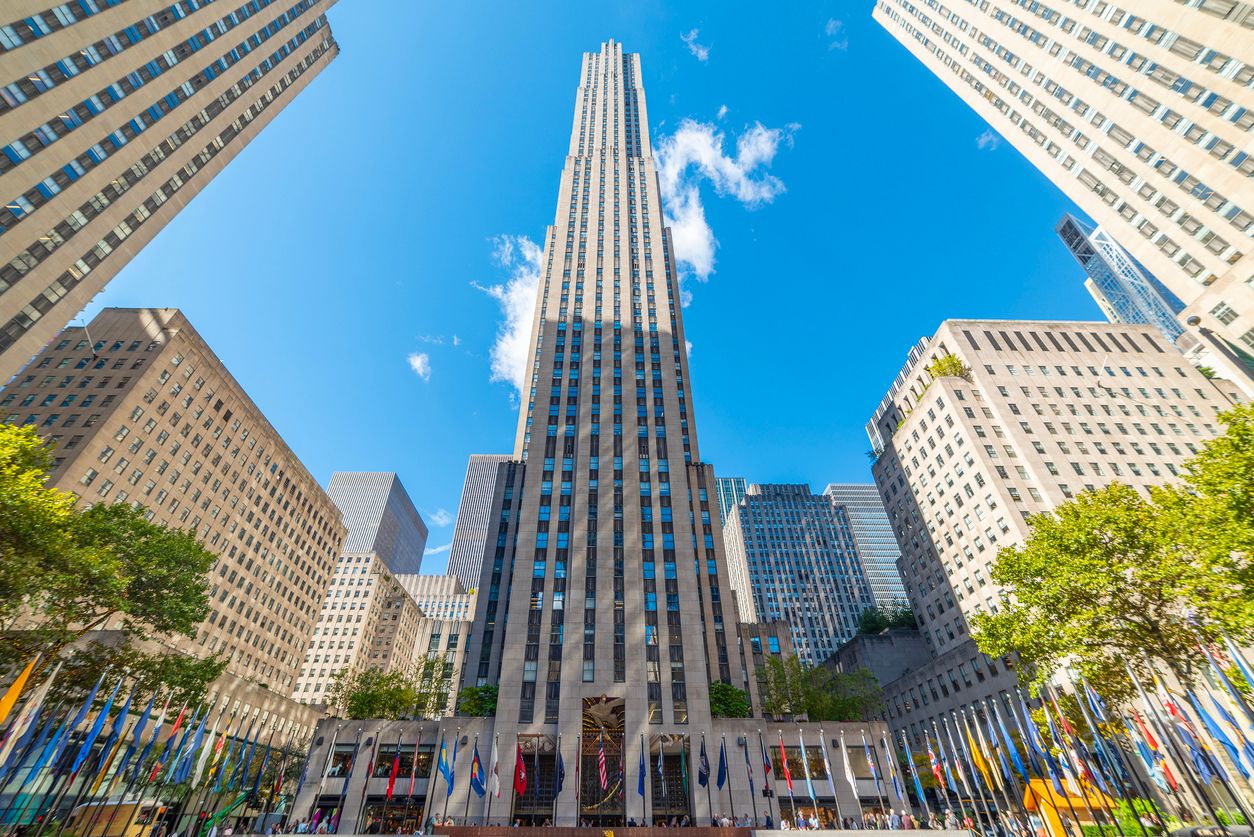
Rockefeller Global Family Office’s hot streak has continued. After adding billion-dollar teams nearly weekly through the early summer, it last week picked up an $800 million UBS team.
Fresh off a capital raise at a $6.6 billion valuation, the eight-year-old New York boutique has also landed teams from across the industry, including Morgan Stanley, Merrill Lynch and Raymond James. These teams collectively had billions in client assets and millions in annual revenue.
Among Rockefeller’s notable additions in the early summer months: a $2 billion UBS team in Palo Alto, a $14 million-producing Merrill Private Wealth Management team in Houston, a billion-dollar Morgan Stanley team in Florida, a billion-dollar Morgan Stanley duo in Oklahoma, a $10.3 million UBS team in New York City, a $500 million Morgan Stanley team in Manhattan and a $3.5 million Raymond James team in Michigan.
Rockefeller has a competitive recruiting deal but not the largest. It is winning because its culture as one of the last boutiques continues to resonate with veteran producers frustrated by big firm bureaucracy and management changes.
"Rockefeller has become the last call for advisors who want wirehouse capabilities without becoming just another number."
Advisors looking for a mix of prestige, flexibility and support without product pressures and scale challenges have few choices. First Republic has been lost in the bureaucracy of J.P. Morgan Advisors. Other firms started by ex-wirehouse managers are just independent broker-dealers in disguise. They promise flexibility but lack true family office resources.
Rockefeller’s leadership is a major differentiator. CEO Greg Fleming built the firm around highly successful managers with deep wirehouse experience, including Michael Outlaw who was promoted in February to President. The credibility and depth of their experience are invaluable for elite advisors who need leaders who understand the economics and realities of building and scaling a practice.
Rockefeller has also spent years building out a quality platform designed for top producers. The firm has expanded its national footprint, strengthened its technology and banking capabilities and built a private wealth platform with institutional-caliber resources, including an in-house investment bank, while maintaining a boutique environment.
It has three trust companies, resources like bill pay and access to high-end private investment opportunities from Apollo, Carlyle Group and Blackstone. What makes it more unique is access to $50 million offerings that the Rockefeller family and other large clients of the firm can bring, including pre-IPO companies and niche real-estate properties.
Perhaps the most compelling aspect of the Rockefeller story is scarcity. Firm executives have repeatedly said they plan to limit the size of the advisor force to around 250 to 300 teams rather than pursue unlimited growth. Rockefeller advisors know that they won’t have to compete with 15,000 other advisors for a slice of a popular investment.
It’s clear that Rockefeller is no longer an emerging competitor but will remain one of the most sought-after destinations in wealth management. That also means that advisors interested must do their due diligence now. Rockefeller is around that 200-team mark and will soon close in on its stated goal. The window for a transition may be narrowing before the firm materially slows its recruiting.